
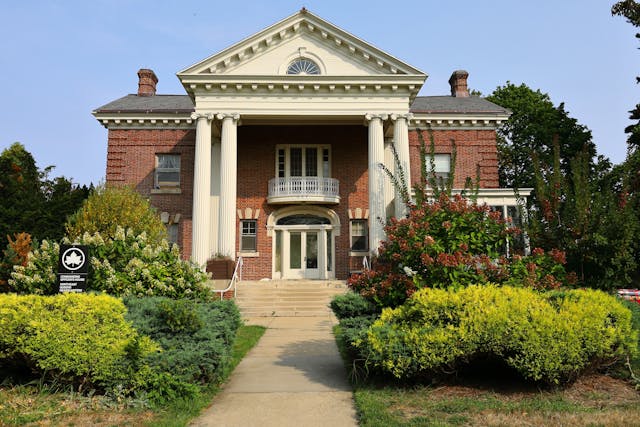
Heritage and period properties boast a level of character that new builds cannot replicate. Original features, crafted quality, and architectural identity of the time—these are elements for which people pay through the nose. But what owners underestimate is that not everything that can be changed for the better adds value to heritage properties.
In fact, some renovations work in the opposite direction and devalue a property. This is not an intentional miscalculation but rather, the misguided idea that standard renovations apply across the board. They do not. What works for a new suburban home cannot only potentially harm period appeal but drastically decrease resale value.
Table of Contents
When “Updates” Don’t Suit Character
Modern accents and materials in heritage properties provide an immediate turn off to buyers seeking period homes. Aluminum windows replacing timber sash. Vinyl siding overlaying genuine weatherboards. New-age garage doors on Victorian cottages—these all scream disrespect for interior and exterior cohesion and do not suggest to buyers that compromises weren’t made elsewhere, also.
Moreover, the front entrance sets the tone for the rest of the property. When the gates/fencing/entry do not match the period of the home, it suggests more compromises have likely been made along the way. Getting federation gates on federation properties is minimal effort to respect history but means a lot to buyers who seek period properties with cohesive aesthetics from top to bottom.
Materials that Promise Maintenance-Free But Fail to Impress
The same holds true for a lack of cohesion when modern materials promise “maintenance-free” accessible lifestyles but look cheap next to original features—plastic trim next to timber architraves, laminate flooring next to hardwood, or faux stone cladding next to brick foundations show immediately which work is original and which is not. Yes, reducing maintenance is more manageable for contemporary lifestyles; however, the “heritage” part of heritage properties rely on original aspects for accessibility, not modern malfeasance.
Eliminating Original Features That Can’t Be Replaced
This is where extremely expensive reductions happen. Original fireplaces are eliminated for entertainment units. Detailed plaster ceilings are covered in flat drywall. Timber floors are ripped out for tiles. Picture rails, cornices and architraves are stripped away for “clean” looks.
These cost a fortune to replicate if they can be replicated at all. Once gone, they’re gone. Homes have reduced aspects that define their historic integrity with no recourse; buyers interested in genuinely period properties get turned off from original features gone.
And ironically enough, keeping these original features typically requires less work than removing them. They get removed because owners think they need an upgrade or believe aesthetics improve without them. Thus, they devalue their home by removing things people actually want and then wonder why homes go for less than other comparable homes down the street where the features were kept.
The Open Plan Trend
Walls coming down are the best advice homeowners can receive in any renovation—unless it’s a heritage property.
The hope is to open up spaces for communal areas; however, this eliminates what makes a heritage property attractive and potentially destroys the essence of the structure. Heritage properties were built with distinct rooms for a reason—to tell a story about how people lived during that time. They convey character through their purpose.
Eliminating walls between family/living rooms and dining rooms or eliminating the walls of kitchens that once were original spaces for special purposes eliminate character and makes it feel like a weird hybrid—too old to be new; too changed to be originally heritage.
This also causes structural issues because load-bearing walls exist for reasons. Unexpected sagging floors, buckling walls or shifting structures diminish property value worse than financing the removal of load-bearing walls. The cost associated with fixing such issues is exponentially higher than rendering open plan spaces before any adjustment was made.
Color Choices That Don’t Match
Heritage homes benefit from a color scheme more than people realize; period homes boast dynamic aesthetics suited to their architectural appeal. If one paints Victorians in contemporary greys or federation homes in hippy tie-dyes, it looks wrong from any perspective knowledgeable about period intentions.
Similarly, materials used for repairs or extensions must match original construction projects; using contemporary bricking that’s the wrong width/color/texture on extensions or repairs creates an obvious break in appeal. A slate roof rendered metal; timber shingles ripped off in favor of concrete tiles—they change character, too.
Even modern paint products become problematic if used on heritage products where they should never be applied. Modern paints on lime plaster or old timber can cause moisture build-up leading to capital expenses no one wants after renovations have been completed. Heritage materials require specific compatible products—not whatever remains on sale at Home Depot.
Extensions That Overpower the Original Space
Addition’s all well and good; it’s extensions that dominate or conflict, either through modern aesthetic or size that ruin value instead of increasing it through square footage expansion.
A massive contemporary addition on a humble heritage cottage looks absurd; rather than make it all one piece, it makes the original home a superfluous extension while obnoxiously announcing its new-age potential.
Buyers interested in heritage properties want the original construct to remain the star of the show. Well-designed additions remain behind or on-the-side, sympathetic construction materials that do not outweigh or compete with the original aesthetic—the poorly designed options announce themselves and take away from property integrity.
Even worse are those poorly designed efforts that attempt to match and fail—brick type, windows, proportions—these falsely heritage additions look worse than genuinely modern ones acknowledging newness. They indicate owners tried their hardest to match but failed—which infers anything else was probably done half-assed as well.
The Deferred Maintenance Issue
Heritage features need specific maintenance that modern materials don’t facilitate; timber windows need painting; slate roofs need maintenance; plaster needs attention. Homes where owners defer maintenance because they think it’s cheaper compound problems down the road.
Deferred maintenance signals buyers that a home has not been well-kept; if what’s visible isn’t looking great, then what isn’t? This offers buyers a red flag since they will immediately think they need to invest money into repairs before doing so—money taken off asking price.
Replacing heritage features with modern edges because maintenance was deferred only compounds issues—it lost its original look and it still has other deferred maintenance problems making it inherently worth less than had original looks been kept and everything else appropriately cared for.
What Increases Value Through Renovation
Ultimately renovations that increase value for heritage properties respect integrity and enhance original designs; sympathetic additions that match modern convenience without overwhelming infrastructure are critical to successfully enhancing value along with kitchen and bathroom updates that respect period style yet cultivate contemporary approaches.
Restoration efforts instead of replacement with new-age processes secure heritage value most successfully for buyers desperate for heritage properties looking specifically for those attributes will pay through the nose while those who can’t figure out how to keep value optional based on what they have accomplished historically significant effort fail.
Heritage homes aren’t just ancient pieces of real estate; they’re specific characteristics defined by appealing architecture worth so much when updates reflect that value—aesthetics empathize what’s already given without compromise or unnecessary work—and homes are worth so much more after renovations due to this successfully retained integrity during the process.