
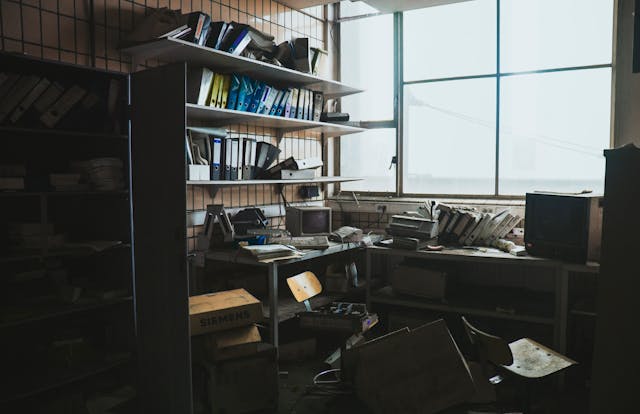
Every office has that one room—or maybe just a corner—where the old files go. Stacks of paper from years ago, binders full of contracts, and boxes that no one has opened since the last financial year. Some people might think it’s harmless to leave them sitting there. But the truth is, those files don’t just vanish. And ignoring them can cause way more problems than most people expect.
Old documents still hold information. A lot of it. And when businesses move, grow, or change how they work, those papers can easily get lost, stolen, or even misused. That’s why knowing what to do with old files isn’t just about getting organized—it’s about protecting important information.
Table of Contents
Why Keeping Old Files Around Can Be a Big Problem?
At first, it seems easier to just leave those old boxes where they are. But over time, paper piles grow. And the more that builds up, the harder it is to find anything when it’s actually needed. That could mean missing key records, invoices, or proof that something happened the way it did.
Worse than that? Many of those documents have personal or private details. Think employee records, tax info, legal paperwork, or client contracts. If that stuff ends up in the wrong hands, it can lead to serious privacy issues or even lawsuits. So, keeping old files around forever isn’t safe. It’s risky.
The Smart Way to Handle It: Secure Storage and Scanning
That’s where secure document services come in. Instead of holding onto endless paper piles, businesses can choose to store their records off-site in a place built for security. These places don’t just shove files in a back room—they’re set up to keep every document safe, organised, and easy to get to when needed.
Even better, many services now offer digitisation. That means scanning paper files and turning them into searchable digital documents. It saves space, cuts down on waste, and makes it easier for teams to work from anywhere without flipping through file cabinets. One place that does this really well is The Docshop. They help companies move away from paper without losing access to important info.
Not All Destruction Is Created Equal
Eventually, every document reaches the end of its life. Maybe the legal time limit for keeping it runs out. Or maybe it’s just not needed anymore. When that happens, simply throwing it away isn’t the right move.
Tossing documents in a bin or recycling box can expose sensitive information. Even shredded papers can be pieced back together if not done properly. That’s why secure destruction services exist—to make sure files are destroyed in a way that no one can ever put them back together. These services often give a certificate too, so businesses have proof that their records were handled the right way.
E-Waste: The Digital Side of the Same Problem
It’s not just paper that holds private data. Old hard drives, USBs, and office computers do too. Deleting files from a computer doesn’t always erase them completely. In many cases, data can still be recovered.
That’s why getting rid of electronic waste, or e-waste, needs just as much care. A good disposal service doesn’t just throw electronics in the trash. They wipe or destroy the data inside first, then recycle the rest safely. It helps protect the planet and keeps business info out of the wrong hands.
Office Moves: When Things Get Missed
One of the riskiest times for documents is during an office move. When everything’s getting packed up in a rush, it’s easy to forget what’s in that dusty file cabinet or old storage cupboard. Some things get thrown away without checking. Other things disappear and no one notices until it’s too late.
Moving services that specialize in office relocations often team up with document experts. They make sure nothing gets lost, tossed, or exposed. It’s one less thing for busy teams to worry about—and way better than dealing with a privacy breach later on.
How Document Digitisation Helps in the Long Run?
Once files are scanned and stored digitally, everything changes. Teams can search for records in seconds, not hours. There’s no need to worry about fire, water damage, or lost papers. And office spaces feel less cluttered without all the boxes and cabinets.
It also makes staying legal easier. There are rules about how long different types of documents need to be kept. With digital systems, reminders can be set, files can be flagged, and nothing gets kept longer than it should.
So… Where Do the Files Actually Go?
After scanning or secure destruction, people often wonder what happens next. Here’s the simple answer:
- Scanned files go into a secure online system. Only the people with access can see them.
- Destroyed documents are shredded using heavy-duty machines. Then they’re recycled, usually into pulp.
- Old electronics are wiped clean and broken down into parts for recycling.
Nothing is just “thrown out.” Every step is done carefully to protect information and stay in line with laws.
What to Watch Out For
Some companies offer shredding or storage but don’t follow strict rules. It’s important to check if a provider is certified and has solid reviews. Ask questions. Do they track every file? Do they give proof of destruction? Are the digital systems password-protected and encrypted?
Cheap services might save money short-term, but if something goes wrong, it can cost way more later.
Final Thoughts
Old office files might seem harmless, but they carry a lot of weight—both literally and legally. Ignoring them creates clutter and risk. But handling them the right way—through scanning, secure storage, and proper destruction—can save time, money, and stress.
In the end, it’s not about getting rid of paper just to save space. It’s about staying smart, keeping things safe, and making room for the future without losing the past.
Got boxes of paper sitting around? Now’s the time to deal with them right.
To learn more, please visit our websites.