
Do you always have a soggy and wet yard? If yes, then you have a poor drainage in your garden. This is often a serious problem because it may result in mildew/mold formation, kill your trees/grass, and cause wilting of plants.
Table of Contents
Common Drainage Issues
A few factors can affect water retention abilities and permeability of soil. Fortunately, you may modify soil to improve overall quality of your lawn. To know the source of your woes and find a better solution, you will need to identify drainage issues in your garden, like:
- Buried debris
- Organic matter
- Slope
- Hardpans and compaction
- Clay content
Solutions to Poor Drainage
Having a hard time gathering ideas to reinforce poor drainage in your garden? That’s understandable, especially during wetter and colder months when drainage becomes a source of woes for most homeowners. Practical solutions like installing yard drainage systems, such as French drains or gravel trenches, can help redirect excess water and prevent long-term issues. It’s a smart first step toward solving the problem. Want to learn more? We’ve gathered the following ways to help you improve your garden’s drainage.
For properties built on slopes, water buildup is even more dangerous because it can trigger soil movement and threaten the foundation of your home. If you live on a slope, you need specialized solutions like Hillside Drainage & Repair in Los Angeles to keep the ground stable. These systems divert heavy runoff away from vulnerable slopes before the soil becomes saturated. Taking care of these issues early prevents costly structural damage down the line.
1. Use Drainage Filters
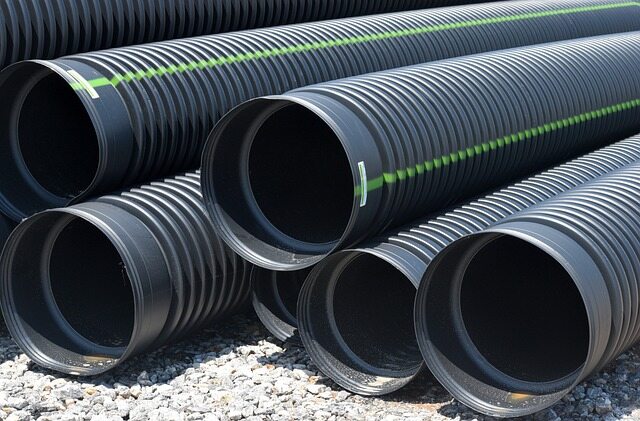
If you have an unprotected subsurface drainage system, it will fail when soil and sand particles enter perforated pipes. This, in turn, will prevent the flow of water in pipes, resulting in soil erosion and overflow. The right solution for this problem is to install proper drainage filters at Carriff Engineered Fabrics Corporation. These filters will make your pipes run like new by increasing soil permeability, preventing clogs, and increasing the rate of water flow.
2. Aerate the Garden
Aerators pull soil plugs from the garden to relieve soil compaction. These plugs often look the same as dog doo-doo but they decompose after a few weeks. Through aeration, you will open up holes in the soil, allowing, nutrients, oxygen, and water reach grass and plant roots.
3. Install Floor Gutters
With these gutters, you will be able to divert water as well as remove it from a flooded area. Your gutters should be made of stainless steel or plastic flat plates so they can prevent debris and dirt from blocking water passage. For installation, contact a professional because you will need to establish a proper route before installing pipes on your garden.
4. Choose Plants That Do Well in Swampy Conditions
Most plants and trees thrive in damp and water conditions. Because of that, they suck up water surplus. Here are examples of native trees you can grow in your poorly drained garden:
- Manatu
- Koru
- Nikau
- Pukatea
5. Make Raised Beds
This method works well especially in gardens where the soil is heavy and vulnerable to waterlogging. By first evaluating your garden, you will ensure water drains efficiently, avoiding plants from sitting in the moisture for too long. In addition, raised beds in the garden will give you full control over the quality of soil. You may fill them up with compost and different types of soil to ensure you provide your plants with the best growing conditions and minimize the risks of soil compaction.
While you might not have full control over the rainfall, you may do a few things to reduce the effects that rainwater can cause on your property. With good drainage, water will not accumulate in your garden, which may result in structural issues, swampy mess, and increase in pests/bugs.