
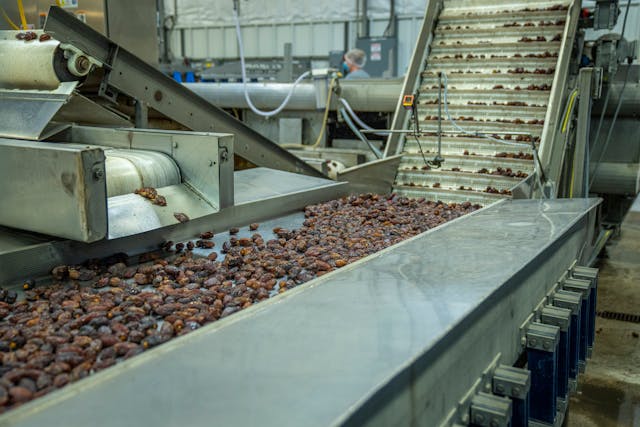
Grease is one of those issues that doesn’t always seem urgent until it becomes a real problem. In food production environments, oil buildup isn’t just messy. It quietly disrupts operations, affects product quality, and pushes costs up in ways that often go unnoticed.
You don’t need dramatic equipment failures or inspection flags to know that grease is getting in the way. Sometimes, it’s the slow wear on machinery, the unexpected downtime, or the cleaning hours that never seem to end. And by the time it’s clear what’s going on, the damage is already done.
Table of Contents
It Doesn’t Just Disappear
Grease doesn’t evaporate. It doesn’t just rinse away. Once it starts collecting on equipment, belts, and internal components, it becomes part of the system, and not in a good way.
Over time, oil residue builds up in places that aren’t immediately visible. It hardens. It clogs vents, sticks to sensors, and interferes with normal operation. Exhaust systems, conveyor belts, and cook zones are especially vulnerable, and since it usually accumulates gradually, it’s easy to ignore until performance starts to slip.
That’s why food processing oil removal matters so much at the source. By removing oil from the product line efficiently, you’re not just improving hygiene, you’re also protecting equipment from the kind of buildup that leads to shutdowns and expensive repairs.
What It’s Costing You
The impact of grease isn’t just operational. It adds up in actual dollars, too. And not in one big hit, in a series of avoidable expenses that become routine:
- Increased maintenance – Grease makes cleaning harder and more time-consuming. Teams need to scrub more often, use stronger chemicals, and deal with buildup in harder-to-reach areas.
- Equipment stress – When machines are coated in oil or grease, they run hotter and work harder. This shortens their lifespan and leads to more frequent repairs.
- Unplanned downtime – If key systems clog up or overheat, you’re forced to stop production. That means missed quotas, overtime costs, and pressure on your teams.
- Energy inefficiency – Grease causes friction, which affects mechanical efficiency. Motors draw more power, fans work overtime, and energy use climbs without much notice.
- Compliance risk – Food production isn’t just about making a product. It’s about making a clean, safe product. Oil residue can compromise food safety and bring unwanted attention from regulators.
The most expensive part? These costs don’t usually feel dramatic when they hit. It’s their consistency that does the damage.
Grease and Food Safety: What’s at Stake
In any processing environment, cleanliness isn’t just about appearance, it’s a core part of product integrity. Grease, if left unmanaged, becomes a magnet for contaminants. It traps particles, it creates a surface where bacteria can grow, and it sticks to parts of the system that aren’t always included in daily clean-downs.
Cross-contamination risks climb when oil isn’t properly captured and removed during processing. Exhaust hoods, air ducts, even coating belts… they can all spread grease further if not handled well.
Systems that actively separate and remove oil from the production flow don’t just improve cleanliness; they reduce the chance of buildup in these sensitive areas altogether.
Downtime You Can Avoid
One of the more frustrating things about grease-related issues is how preventable they are. So much of the downtime that comes from oil buildup could be avoided with better front-end control.
Food oil removal systems don’t just handle by-products; they stop those by-products from becoming a bigger problem later. When you pull excess oil from fried or cooked products before they move down the line, you’re giving your entire operation a cleaner, safer path forward.
That means fewer shutdowns for cleaning, fewer repairs, and fewer surprises during inspections.
The Bigger Picture: Efficiency and Yield
There’s another angle here that often gets overlooked. When oil is removed effectively from the product itself, you’re not just improving hygiene. You’re reclaiming valuable oil that can be recovered, reused, or disposed of more efficiently.
Over time, this adds up to real savings. Less waste, less mess, and better yield.
It also helps maintain the texture and quality of the final product. Excess oil can lead to sogginess, inconsistency, or off-flavors. Removing it at the right stage helps ensure your product stays consistent, batch after batch.
Not Just a Cleaning Job
One of the most common misconceptions is that grease problems are a cleaning issue, something the sanitation team will handle. But in reality, this is an operational issue. One that spans across departments.
Operators need to be aware of how grease flows through the system. Maintenance teams need to understand how to spot early signs of oil-related wear. And leadership needs to look at grease control as a long-term investment, not just a hygiene requirement.
Oil removal systems aren’t just about avoiding mess. They’re about creating a production environment that works better across the board.
Getting Ahead of the Problem
Once grease has taken hold in your equipment or environment, removing it is time-consuming and costly. But the earlier you address it, the easier it is to control.
The smartest facilities take a proactive approach:
- They remove oil at the source
- They use systems designed for continuous, efficient capture
- They reduce oil flow through belts, fans, and ductwork
- They keep cleaning focused, not reactive
That’s the difference between always chasing problems and staying ahead of them. If oil buildup is something your team is constantly dealing with, it’s worth asking whether the right systems are in place to stop it before it starts.
Time to Look Closer
Grease isn’t loud. It doesn’t sound alarms or flash warnings. But if you’re noticing more maintenance hours, increased wear, or quality inconsistencies, it could be the quiet culprit behind all three.
By shifting your focus to what’s happening upstream and putting proper oil removal in place, you can protect your product, your team, and your bottom line. Sometimes, solving the big problems starts with dealing with the small ones you barely notice.