
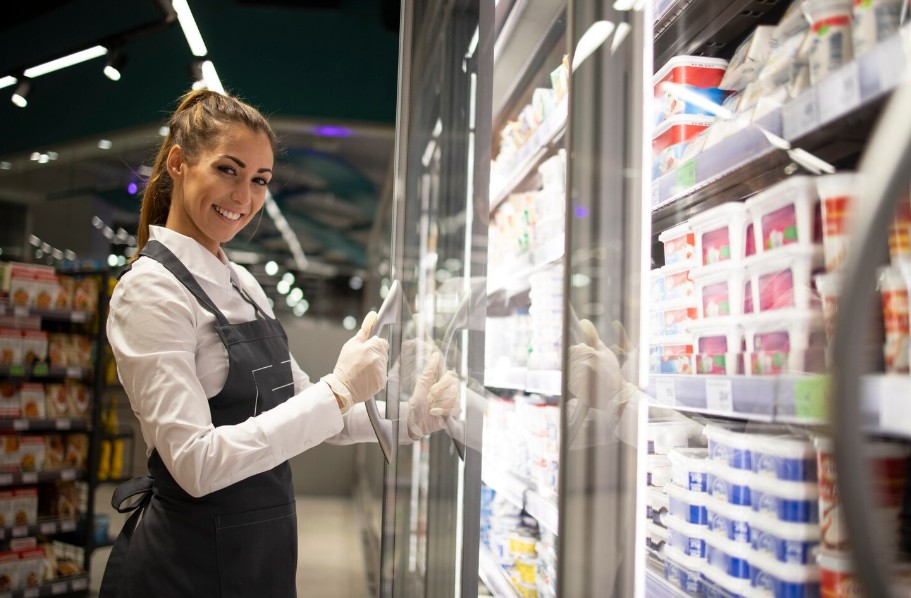
The cold chain sounds like an IT solution but it’s a simple enough concept. The cold chain is the temperature controlled supply chain from which perishable food travels from production to consumption. Break the chain at any link and the entire system fails. Unfortunately, given the nature of temperature control, breaks occur all too often. Sometimes the issues are minor; spoiled product is always a possibility, sometimes damaged though salvageable goods require additional shipping and handling costs. Sometimes the breaks lead to dangerous situations such as food borne illness caused by improper temperature control for too long.
Understanding the cold chain helps food businesses survive in a world increasingly sensitive to food quality and safety. It establishes how businesses control for food safety compliance and it helps determine vulnerabilities that can be addressed before they occur.
Table of Contents
Where Does The Cold Chain Really Begin?
Everyone assumes it begins at the retailer level—after all, doesn’t everyone assume refrigerated grocery items stay in a certain range once they enter the store?—but it starts long before that. Depending on the item, temperature control starts directly after production or slaughter. Fresh fruits and vegetables get iced and moved to maintain cool temperatures to reduce respiration and enzymatic activity; meat products are placed immediately into refrigerated storage units post slaughter and dairy products get put into coolers straight after processing. Thus, while seemingly out of the control of food businesses, it’s critical to note that initial cooling is part of the cold chain.
From here, processed items travel via their temperature controlled means of transportation. However, where vulnerabilities occur in the cold chain system is at every transition point. The loading dock, moving from one vehicle to another, and temporary storage all occur between various stages of the cold chain and can interrupt temperature controlled movement. Again, even if an item is at the appropriate temperature for just a few hours before entering another form of storage, it could make an immense difference—especially for items that perish faster.
It’s difficult to transport refrigerated items. They’re not perfect storage systems. For example, based on how products are stacked, refrigerated trucks have cold spots and warm spots. When a truck door opens to get from one stop to another, hot air enters. Refrigerated trucks break down just like any other vehicle. The longer an item is on the road, the more potential for something to go wrong.
Yet with advancements in technology, we can better understand what our products go through while on their journey. Temperature data loggers assess conditions over time providing a comprehensive look at what each item or batch went through during their travels. This method of monitoring does not assume that the worst case scenario does not happen; it accounts for vulnerabilities that otherwise may go unconsidered until delivery disasters create unsafe, non-salvageable goods upon arrival.
Different items require different temperatures. Frozen products need to stay at a certain depth and temperature; fresh meat needs to be at a different range than fresh dairy products with their own range as well. Not only does this add to the level of complexity required for long distance transportation with multiple stops—but it also adds potential problems for mixed loads.
Wherever Products Go, Problems Follow
Once your items hit their destination, it doesn’t mean they’re in the clear. Commercial refrigerators and freezers break just as easily as home units do; they’re made with heavy use in mind but sometimes vulnerabilities happen that render certain units unable to maintain their temperatures or appropriate cooling systems.
Power outages occur, doors are left open longer than necessary which impacts airflow and creates a whole new set of issues in maintaining perishable food requirements.
Which is why in any facility there must be consistent temperature checks for any refrigerated or frozen units. Someone can check twice per day for proper temperature alignment but when there are no digital systems in place, and all someone has is a manual thermometer, there exists the potential for someone to miss an opportunity of checking temperature at a point in time where it was not ideal.
Supervisors and managers need to understand why proper cooling is important; employees can hold the door open for as long as they want creating problems for quality control—blocking air vents makes refrigerators work harder than they need to; overloading units means things won’t fit into their proper spaces; leaving doors open allows increased amounts of hot air into the cooler space.
Considerations must be made not just when an investigation takes place but also for day-to-day operations.
The Best Tool is an Instinctive One
Food regulations assess an item throughout its journey which means documentation must be made for items kept at different temperatures before reaching any point within the business. Inspections occur frequently after reporting a food borne illness or an item not up to safety standards meaning that businesses must show exactly what items experienced in terms of temperature.
However, comparing manual logs against temperature data loggers shows how time-consuming and inefficient manual logs can be—items requiring consistent checks can easily be missed and depending on the person chosen to complete a log means that only reliable individuals hold responsible keys to compliance.
Yet manual logs help assess items within their time sensitivity needed; data loggers show continuous assessments which do not help when bad items arrive because they show no gap in time for potential deterioration.
Ultimately, manual logs document an opportunity for compliance post-issue instead of preventing them with proper, constant documentation.
Vulnerabilities Equal Increased Costs
When the cold chain fails, there exist various costs associated with having to dispose of what may have been perfectly fine at one point but perishable at too many points.
Yet there’s disposal costs, replacement inventory costs, revenue lost while something is off-shelf during reprocessing or non-replacement and compounding risks associated with liability and reputation decimate a food business.
Repackaged and resupplied inventory comes with additional insurance claims and legal costs which add financial burdens from regulatory penalties and settlements.
Long after the threat of financial settlements is reduced is when customer trust begins to build again; however, this process is never-ending so transforming a bad reputation into a reliable one takes years if it ever happens at all.
Moving Forward With Chains
The cold chain requires constant monitoring by equipment menial as well as proper staff trained to make changes as appropriate instead of those needing special training just to keep ahead of potential pitfalls.
This means that food businesses need to have systems in place beyond what’s required by regulatory standards; systems in place that make implementation logical, effective and successful with consistent tracking and documentation responsible for all who enter that workspace.
Those businesses who have proper cold chains suffer less from loss of inventory; they maintain their effective quality control within and among complicated regulatory requirements which reduces costs associated with compliance contradictions.