
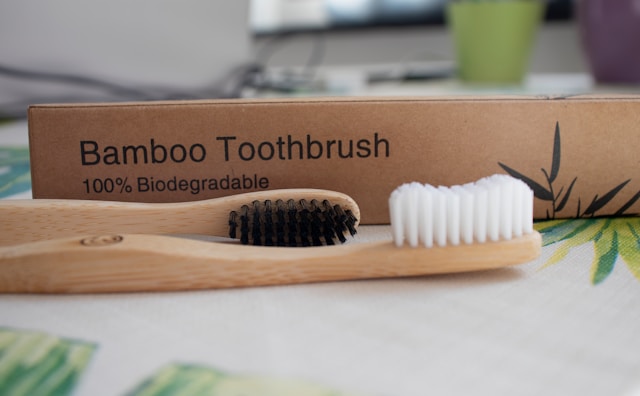
There’s a version of workplace sustainability that can feel a bit performative. A few desk plants appear, someone swaps the kitchen sponge for something compostable, a recycling poster goes up near the bins, and everyone gets a reusable coffee cup with the company logo printed on the side. None of those things are bad, of course, but they can make sustainability feel like a collection of small gestures rather than a smarter way to think about the workplace itself.
A more useful conversation starts with the space people actually use every day. How much energy does it waste? Are materials being chosen because they’ll last, or because they’re quick and cheap? Does the layout support natural light, better airflow and less reliance on artificial lighting? When businesses talk seriously about sustainability in the office, they’re really talking about how the workplace is designed, maintained and experienced over time.
Table of Contents
Good Intentions Need Practical Systems
Most workplaces have at least a few people who care about reducing waste and making better environmental choices, but enthusiasm can only go so far if the office itself makes those choices difficult. If recycling bins are tucked away where nobody sees them, if lights are left on because zoning hasn’t been thought through, or if furniture is replaced every few years because it wasn’t built to last, the day-to-day systems are working against the intention.
This is where design and fitout decisions can make a real difference. A sustainable office isn’t necessarily one filled with obvious eco-products; it’s often one where the basics have been planned properly. Efficient lighting, durable materials, flexible workstations, responsible furniture selection and thoughtful storage can all reduce waste without asking staff to constantly think about it.
The best sustainable choices are the ones that become normal.
A Greener Office Can Still Look Polished
Some businesses worry that making environmentally conscious decisions will limit the look and feel of their workplace, as though sustainable design automatically means rough timber, beige walls and furniture that looks like it was assembled during a team-building exercise. In reality, sustainable office design can be sharp, warm, modern, minimal, colourful or highly polished, depending on the brand and the people using the space.
The difference is in how decisions are made. Instead of choosing finishes purely because they look good on installation day, a more sustainable approach considers where materials come from, how long they’re likely to last, whether they can be repaired or reused, and how they’ll perform under daily wear. That doesn’t make the process less creative; if anything, it makes the choices more meaningful.
A beautiful workplace that needs constant replacement or repair isn’t as clever as it first appears.
People Are Part of the Sustainability Equation
An office isn’t sustainable just because the lights are efficient and the carpet has recycled content. It also has to work for the people inside it. Staff who have access to natural light, comfortable work areas, sensible acoustics and spaces that suit different kinds of tasks are more likely to use the workplace well, rather than fighting against it.
Poorly planned offices create waste in less obvious ways. People print unnecessarily because digital workflows are clumsy. Teams duplicate equipment because shared zones are inconvenient. Furniture gets abandoned because it never suited the work being done. Meeting rooms sit empty while quiet spaces are impossible to find. These aren’t always framed as environmental issues, but they still affect how efficiently a workplace uses its resources.
Start with What Lasts
The most convincing office sustainability measures are rarely the flashiest ones. They’re the decisions that continue paying off quietly in the background, year after year. Choosing better materials, designing for flexibility, reducing unnecessary energy use and creating a layout that can adapt as the business changes may not make for the most dramatic announcement, but they can make the workplace more resilient.
A greener office doesn’t have to begin with a grand moral statement. It can begin with asking whether the space is wasting less, lasting longer and helping people work better. Get those things right, and the bamboo toothbrushes can remain entirely optional.
Want to know more? Head over to our blog!