
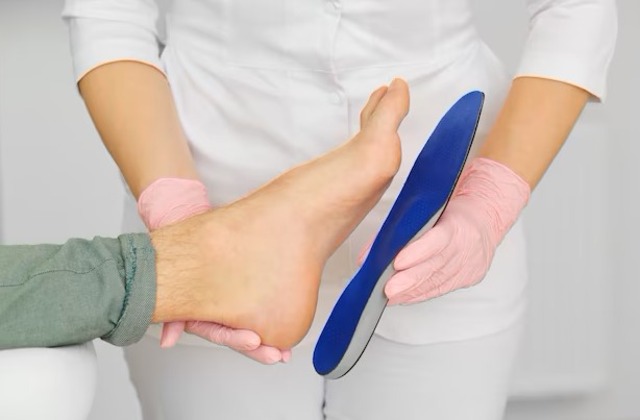
If your feet feel like they’re working overtime, you’re not imagining it. Poor arch support doesn’t just hurt your feet. It can mess with your posture, your energy, and even your mood. But here’s the good news: there are small, smart changes you can make that will take a huge load off your arches.
Some of these are simple switches, others take a bit of intention. But they’re all worth it.
Table of Contents
1. Invest in Arch Support Thongs
Stop treating thongs as flimsy summer slip-ons. The right pair can support your arches better than a flat sneaker ever could. And when you live in a warm climate, you’re probably wearing them daily, even indoors. Make sure the ones you choose have built-in contouring, firm footbeds, and a deep heel cup. Archies Thongs Perth are always a good place to start. Once you upgrade, you’ll wonder how you ever wore flat, floppy thongs for so long.
2. Stretch Your Feet and Calves Daily
Your arches don’t live in isolation. Tight calves and Achilles tendons can pull on your heel and flatten the arch. Regular stretching can ease the strain and improve alignment through your whole lower body. It doesn’t need to be a full workout session; just a few minutes a day will help. Focus on:
- Calf stretches against the wall
- Rolling the soles of your feet on a massage ball
- Gentle toe curls and extensions
Consistency matters more than intensity here.
3. Wear Supportive Slippers at Home
If you’re barefoot around the house all day, your arches are working without backup. That flat floor is doing nothing for your foot structure. Choose house slippers that have an anatomical shape and a structured sole. Lightweight doesn’t mean unsupportive; just make sure you’re not stepping into something that flattens out after a week. Good indoor footwear can reduce fatigue and make standing tasks way easier.
4. Replace Worn-out Shoes More Often Than You Think
It’s easy to underestimate how quickly shoes lose their support. The outside might still look decent, but the insole and midsole can compress far earlier. A general rule? If you wear a pair regularly, replace it every 6 to 9 months. For runners or people who walk a lot, it might be sooner. Flattened soles, uneven tread, or new aches are all signs it’s time.
5. Use Orthotic Insoles Where You Can
You don’t need custom ones to feel a difference. A good pair of over-the-counter orthotics can lift your arch, realign your heel, and take pressure off your joints. They can be used in most shoes, from boots to sneakers, and can extend the life of your footwear too. Just make sure they actually suit your arch height: one size doesn’t fit all when it comes to foot structure.
6. Avoid Going Barefoot on Hard Floors
Tiles and hardwood might look nice, but they’re brutal on unsupported arches. Even a few minutes of barefoot time on these surfaces can cause strain, especially first thing in the morning. Your plantar fascia is tight when you wake up, and walking barefoot immediately loads it without support. Slip into those arch-support thongs or house shoes instead.
7. Pick the Right Socks
It’s not just the shoes, your socks matter too. Look for compression socks or pairs designed with arch bands. They offer light support and keep things stable through the day. This is especially useful if you’re on your feet for long stretches. And if swelling is an issue, compression can also help with circulation.
8. Check How You Stand and Walk
How you move affects how your arches feel. If your feet roll inward (overpronation) or outward (supination), you’re putting uneven pressure on your arches. You might not notice it unless someone points it out, but your gait has a big impact on long-term foot comfort. Watching a video of yourself walking can reveal a lot. Small adjustments, even just standing more evenly, can reduce strain immediately.
9. Keep Your Weight in a Healthy Range
Extra weight puts extra stress on your feet. This isn’t about appearance. It’s purely about physics. Your arches support your full body weight every time you take a step. Even a small shift in weight can change how your foot hits the ground, and over time, that takes a toll. Keeping things steady reduces wear and helps everything from your knees to your lower back too.
What Your Feet Will Thank You For?
Looking after your arches isn’t just about comfort. It’s about reducing future problems — joint pain, fatigue, balance issues — before they start. Most of these steps don’t require big changes, just smarter ones.
The key? Start with what you wear every day. That one shift makes everything else easier.
Your feet carry you everywhere. Make sure they’re getting the support they deserve.
To learn more, please visit our websites.